|
|
|
|
September Newsletter 2025
|
|
|
Evidence-Based Change for Inclusive Societies.
|
|
|
|
|
|
|
Dear ,
Welcome to the September 2025 Edition of the MPG Newsletter!
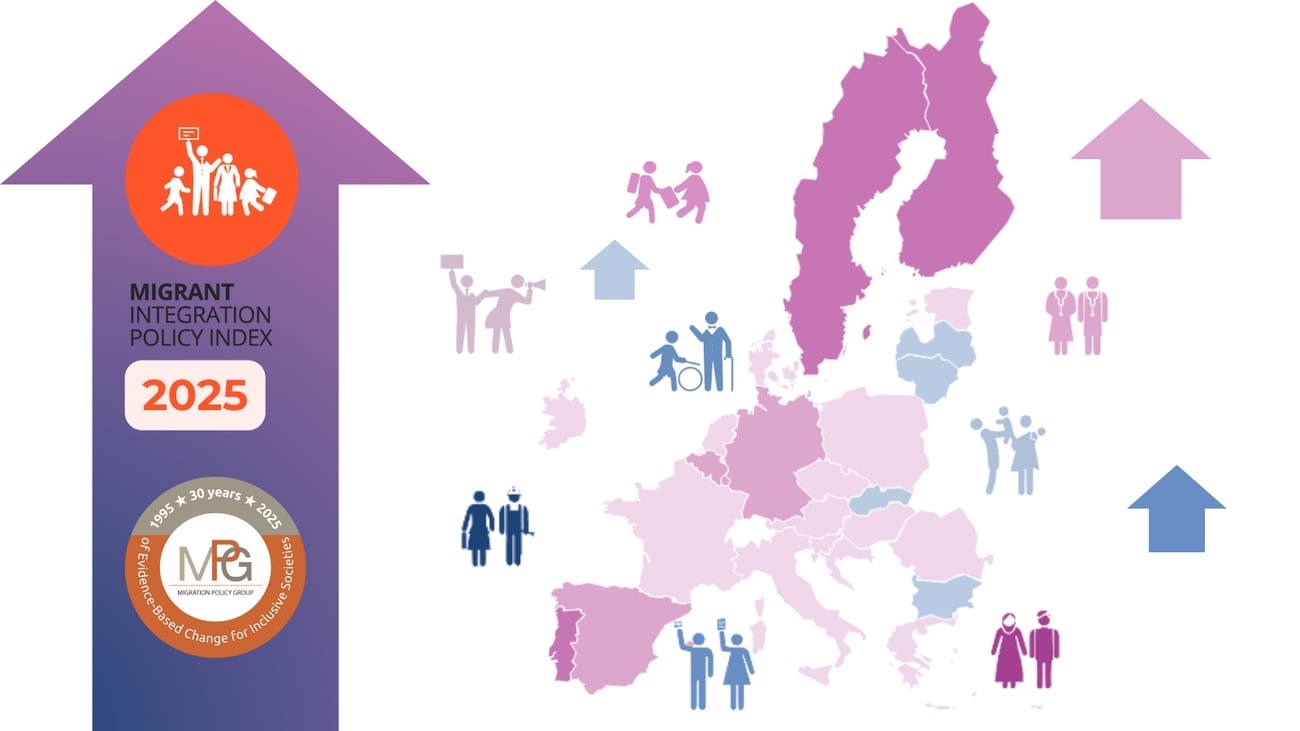
This has been a big month for integration policy. The MIPEX 2025 results are now out, covering both the EU and Canada, and sparking important debates on where
integration policies stand today. In Europe, countries like Sweden, Finland, and Portugal continue to set high standards, while many of the post-2004 Member States still face major challenges. Across the index, there are encouraging signs in areas such as education, labour market access, and anti-discrimination, alongside worrying setbacks in political participation and access to citizenship.
At the same time, MPG has joined more than 200 organisations calling on the EU to reject the Commission’s proposed Return Regulation. Framed as a technical update, it risks locking in detention and deportation as the default, at the expense of rights and inclusion.
We recently published the SIRIUS Migrant Education Policy Index 2025, covering 15 countries. The report examines how schools are addressing access, language support, intercultural education, and teacher training - highlighting both promising practices and areas where more progress is needed. To make the findings more accessible, we also created a series of infographics that illustrate key trends and insights.
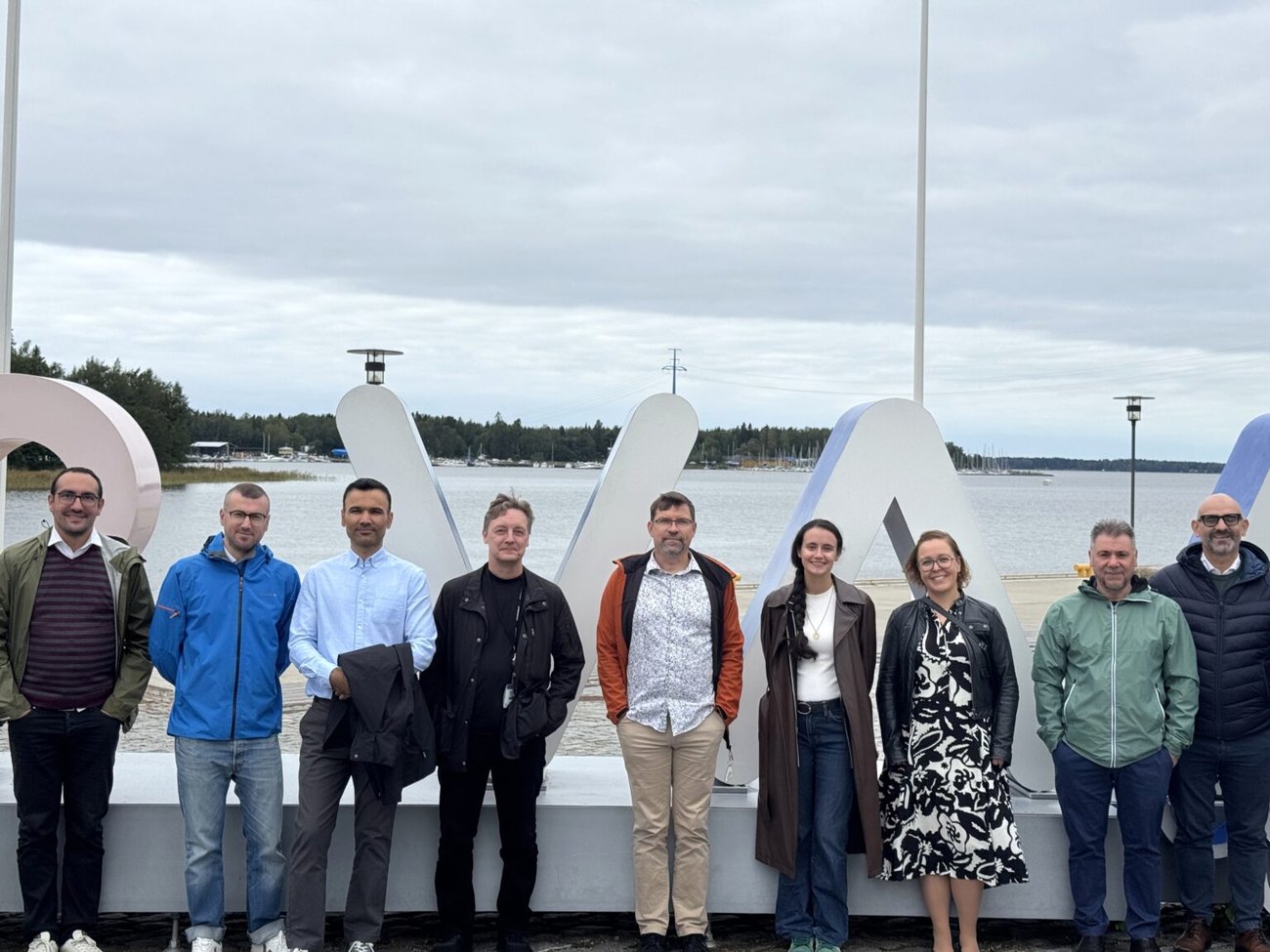
In Finland, as part of the ConnACT project, our team also joined a study visit with partners from Italy and Malta to explore how communities are using adult education to support integration.
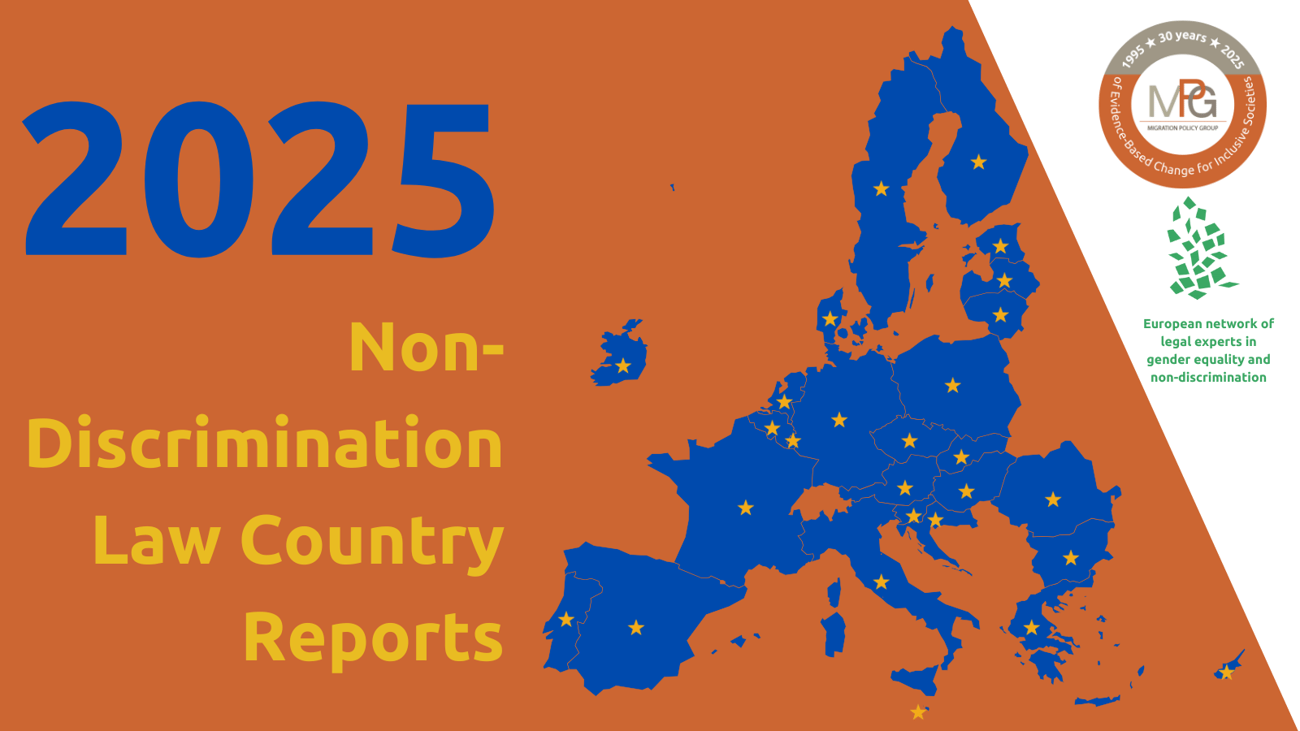
The European Network of Legal Experts is continuing to release its 2025 country reports on non-discrimination law. These updates track how Member States are implementing EU equality directives and provide detailed national-level analysis.
As part of our INNOVATE project, the Migration Research to Policy CoLab continues to grow. It provides tools, training, and resources to help researchers and policymakers work together more effectively. If you haven’t yet, we encourage you to sign up for the CoLab mailing list to stay updated on opportunities and
upcoming activities.
After the summer break, we’re also picking up our 30th anniversary celebrations with new stories and reflections from partners and collaborators. Keep an eye on our channels for the latest features.
On 24 and 25 September, the annual editorial meeting of the Migrant Integration Hub - the successor to the European Website on Integration (EWSI)
- brought together European Commission officials with civil society and academic representatives to plan the platform’s next steps and review progress on the EU Action Plan on Integration and Inclusion.
Lastly, we said a heartfelt goodbye to our research intern Marianna Gorgerino, who has been an inspiring part of MPG over the past year. At the same time, we are delighted to welcome two new colleagues who will support our work: Chiara Agrillo and Anoushka Gautam, joining as research interns.
Thank you for reading and for staying engaged with our work.
|
|
|
|
|
|
|
| Warm regards,
Isabelle Chopin, Director of MPG
|
|
|
|
|
|
|
|
|
|
|
The MIPEX 2025 EU update reveals stagnation in migrant integration policies, with the EU average at 54/100. Sweden, Finland, and Portugal lead, while
differences between old (average score of 63) and new (average score of 44) Member States continue. Political participation remains the weakest area across the board (37/100 on average), with worrying declines in citizenship access. Achievements were made in education, labour market, and anti-discrimination policies, partly linked to responses to Ukrainian refugees. Migrant integration is a viable policy alternative to tackle societal challenges in a pragmatic and sustainable way and reducing the policy gaps across the EU is more imminent than ever.
|
|
|
|
|
|
|
|
|
|
|
|
|
MPG launched MIPEX 2025 in Brussels with a high-level policy forum on Europe’s integration future. New findings presented by MPG’s Head of Research Başak
Yavçan reveal progress in labour market and education but ongoing barriers to citizenship, residence, and family reunification. EU Commissioner Magnus Brunner praised MIPEX as the global gold standard for measuring integration. Experts and policymakers debated how to overcome stagnation and build fair, evidence-based policies that foster inclusion and social cohesion across the EU.
|
|
|
|
|
|
|
|
|
|
|
|
|
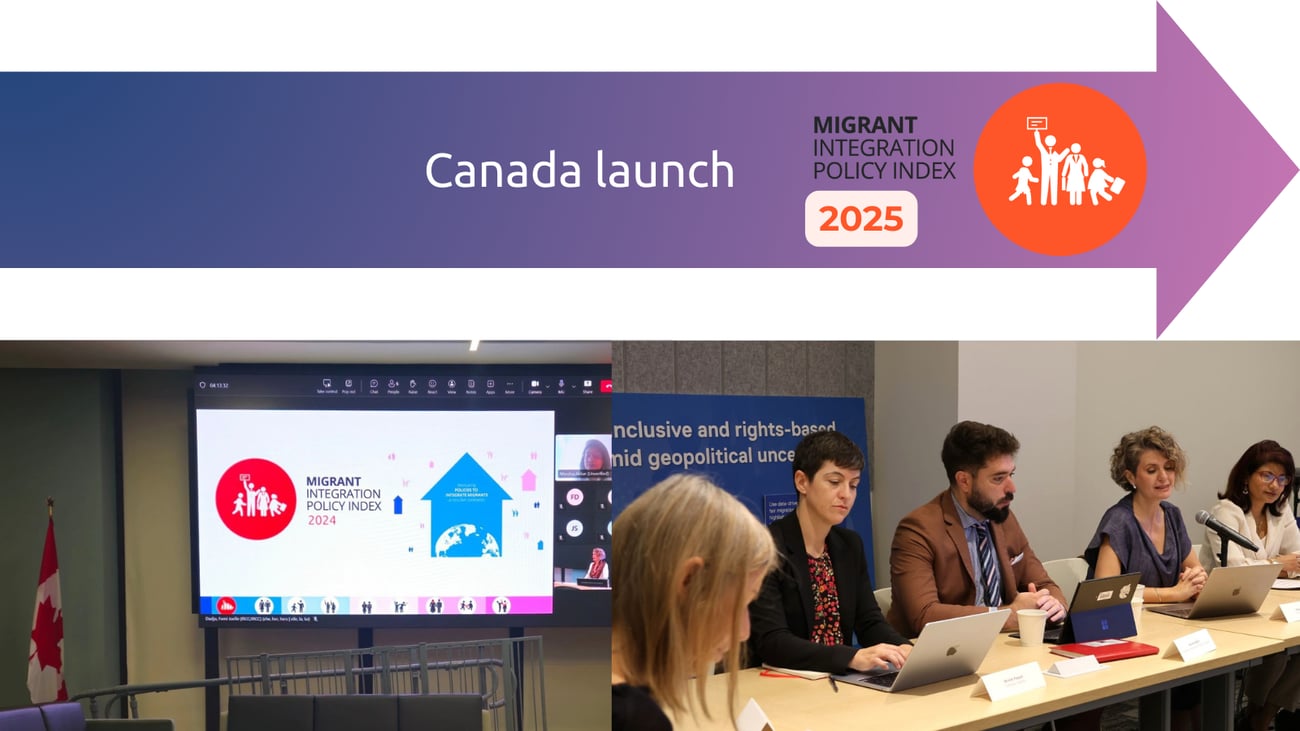
With a score of 81/100, Canada ranks 4th worldwide in the MIPEX 2025 index, excelling in labour market access, education, health, and family reunification. At the launch events organised by the Canadian government in Ottawa and in collaboration with the Toronto Metropolitan University in Toronto, MPG highlighted inclusive policies of Canada along most MIPEX dimensions including those supporting migrant women and youth. Yet, challenges persist: limited political participation rights, barriers for undocumented migrants, and shifting public opinion. Canada’s progress shows inclusive policies work, but policy-makers
need to address these gaps.
|
|
|
|
|
|
|
|
|
|
|
|
|
MPG has joined over 200 civil society organisations in urging EU institutions to reject the European Commission’s proposed Return Regulation. Framed as a technical update, the proposal prioritises detention, deportation, and enforcement over protection, housing, healthcare, and education. Civil society warns it will entrench criminalisation, discrimination, and legal limbo, especially for racialised people. MPG and partners call on the Commission to withdraw the proposal and on Parliament and Council to reject it.
|
|
|
|
|
|
|
|
|
|
|
|
|
This month we said a heartfelt goodbye to our research intern Marianna Gorgerino, who has been an inspiring part of MPG over
the past year. We’re grateful for her dedication and wish her every success ahead! At the same time, we’re excited to welcome two new colleagues: Chiara Agrillo and Anoushka Gautam joining us as research interns. We look forward to the journey ahead together!
|
|
|
|
|
|
|
|
|
|
|
|
|
As part of the ConnACT - Connecting through Adult Community Training project, MPG’s Mojib Atal and Carmine Conte joined partners from Italy and Malta on a study visit to Southwest Finland, hosted by ELY-keskus. The programme featured Vaasa’s integration and employment services, municipal-level practices in Närpes and Pargas, and inspiring conversations with migrants. These exchanges reflect ConnACT’s mission: to identify and share innovative, transferable integration practices that
can strengthen policies and improve outcomes across Europe.
|
|
|
|
|
|
|
|
|
|
|
|
|
The SIRIUS Migrant Education
Policy Index 2025, developed by MPG, for the SIRIUS Network, provides fresh evidence on how 15 EU countries implement inclusion in practice. Covering seven key areas- from access and language support to intercultural education and teacher training - the Index highlights both progress and persistent gaps. MPG is also releasing a series of infographics to illustrate the findings. Explore the report and its finding is a video and infographics which are now available in one resource.
|
|
|
|
|
|
|
|
|
|
|
|
|
The European
Network of Legal Experts in Gender Equality and Non-discrimination continued publishing its 2025 country reports, covering policy and legal developments on the national level between 1 January 2024 and 1 January 2025. The reports assess how EU Member States transpose and implement the Racial Equality and Employment Equality Directives. Available now 25 countries.
|
|
|
|
|
|
|
|
|
|
|
|
|
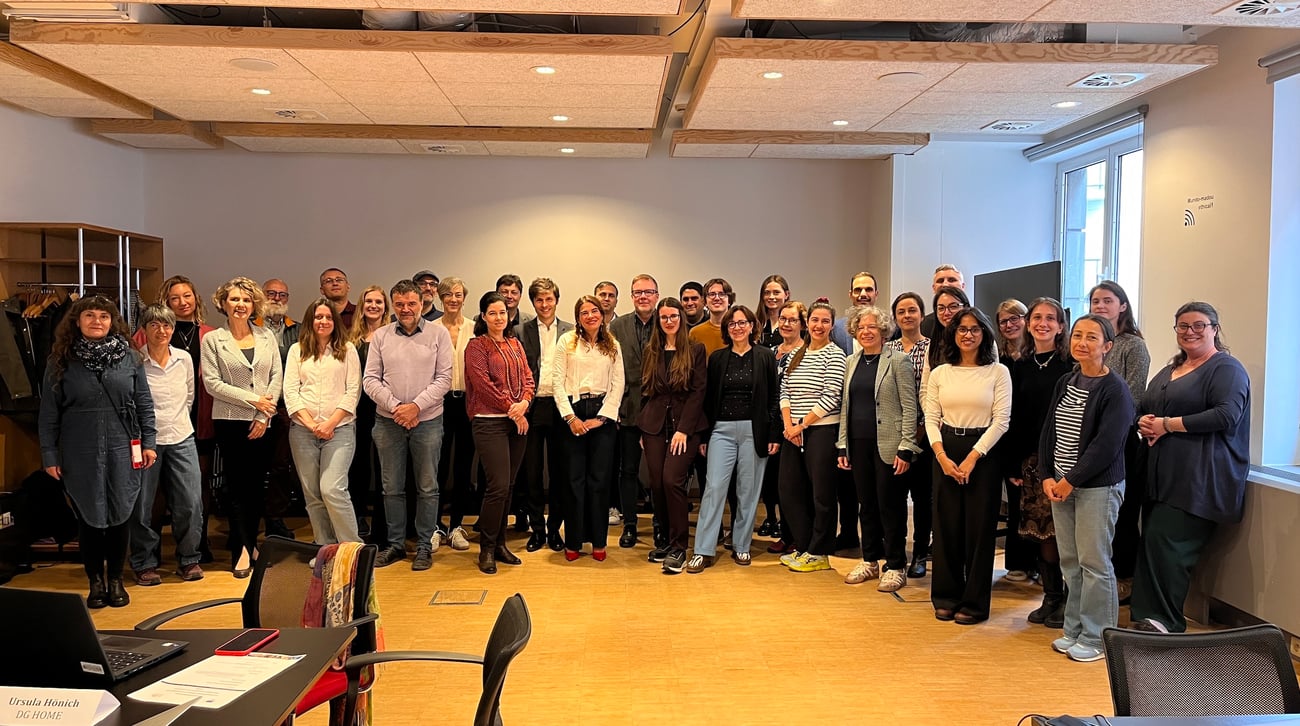
On 24 and 25 September 2025, MPG connected officials leading the European Commission (EC)’s work on migrant integration with civil society and
academia representatives from across the 27 EU countries. This took place as part of the annual editorial meeting of the Migrant Integration Hub, the successor of the European Website on Integration (EWSI).
|
|
|
|
|
|
|
|
|
|
|
|
|
This September, we continue our anniversary series by sharing reflections from people who’ve spent years shaping Europe’s conversations on rights, equality, and democracy, through research, politics, and civil society. Their work isn’t abstract. It’s grounded in daily effort, clear convictions, and a long view of what change really takes.
We are proud
to share insights from:
- Agnese Lāce, Minister of Culture of the Republic of Latvia
- Majid El Jarroudi, Founder of ADIVE – the Agency for Diversity in
Entrepreneurship
- Juliana Santos Wahlgren, director of the European Anti-Poverty Network
- Álvaro Oliveira, former European Commission’s official (2004-2024)
- Adel AlBaghdadi, Founder of WE Organization Netherlands, Vice-President of The European Forum for Youth with Lived Migration Experience – VOICIFY
|
|
|
|
|
|
|
|
|
|
|
|
|
Is data-driven policy a realistic goal or just wishful thinking? There’s plenty of research on migration, yet it’s often ignored when shaping policy given the barriers of translating data into action. The Migration Research to Policy CoLab we are part of, offers a toolkit of resources on building effective engagement, training opportunities, and policy-relevant migration research. How can you benefit from it? Make sure you’re signed up for the Co-Lab mailing list to learn about upcoming opportunities.
|
|
|
|
|
|
|
|
|
|
|
|
|
The launch of MIPEX 2025 received wide coverage across Europe. Outlets such as Politico Europe and EU Perspectives featured EU-level analysis, while national media in Finland, Portugal, Romania, Latvia, Austria, and Sweden reported on their countries’ integration scores and policy trends. This strong media response shows MIPEX’s role in shaping Europe’s migration and integration debate.
|
|
|
|
|
|
|
|
|
|
|
|
|
The Migrant Integration Policy Index (MIPEX) is a unique tool which measures integration policies in 56 countries across 8 policy areas. It provides up-to-date, comprehensive research data and analysis on which to base policies, proposals for change and projects.
In September 2025, it was featured in 2 scientific journals.
|
|
|
|
|
|
|
|
|
|
|
|
|
|
|
Migration Policy Group
Avenue de Tervuren 32-34, Boîte 1, 1040 Etterbeek, Brussels, Belgium
|
|
|
|
|